
New metal roof installation
If you're moving from shingles to metal, the contractor can talk through deck condition, underlayment, ventilation, and how edges and penetrations will be detailed.
Describe your roof once, then get connected with a local contractor who installs and replaces metal roofing for homes and businesses in the San Antonio area.
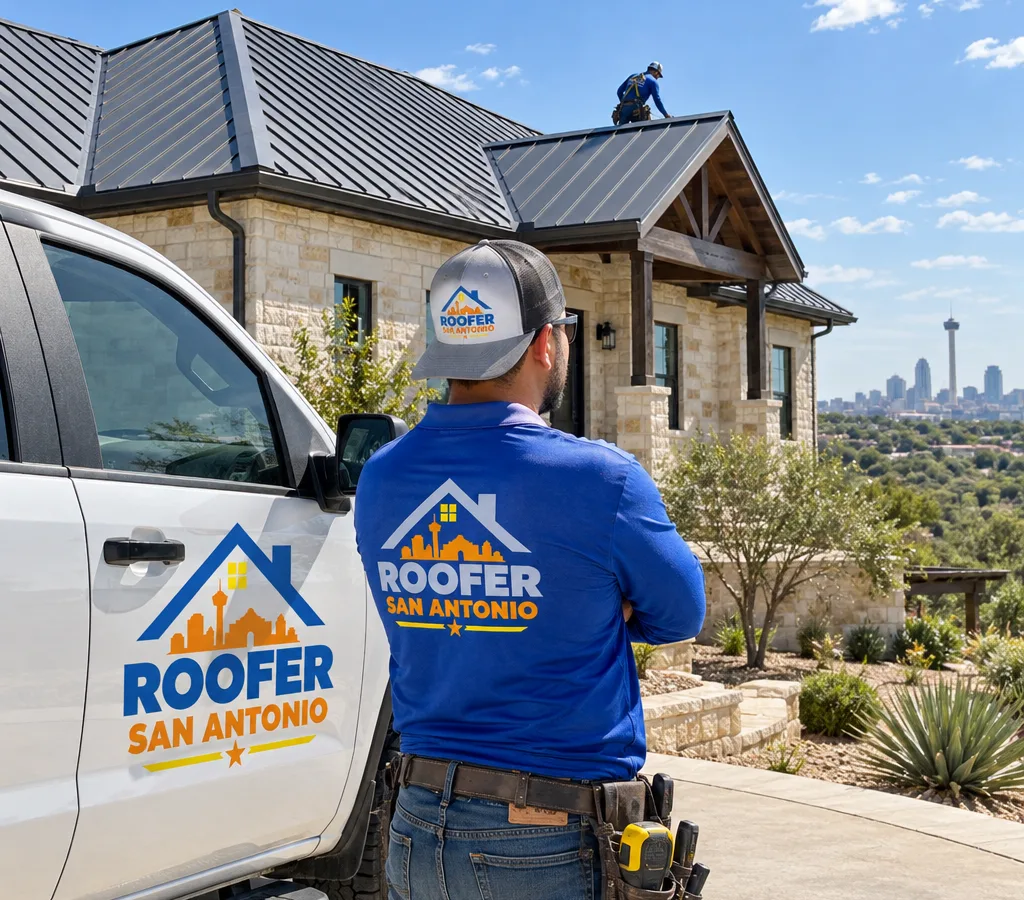
When people search for metal roofs in San Antonio, they are usually deciding between a few proven systems, each with different looks, attachment methods, and repair considerations. The contractor you speak with will help you match the roof type to your building, budget priorities, and how exposed the roof is to wind-driven rain.
Common metal roof options you'll hear about
San Antonio conditions that affect metal roofing choices
Roofer San Antonio is a referral service. You describe the roof and what you want to accomplish, and we connect you with a local contractor who handles San Antonio metal roofing work, so you can talk details and decide what to do next.
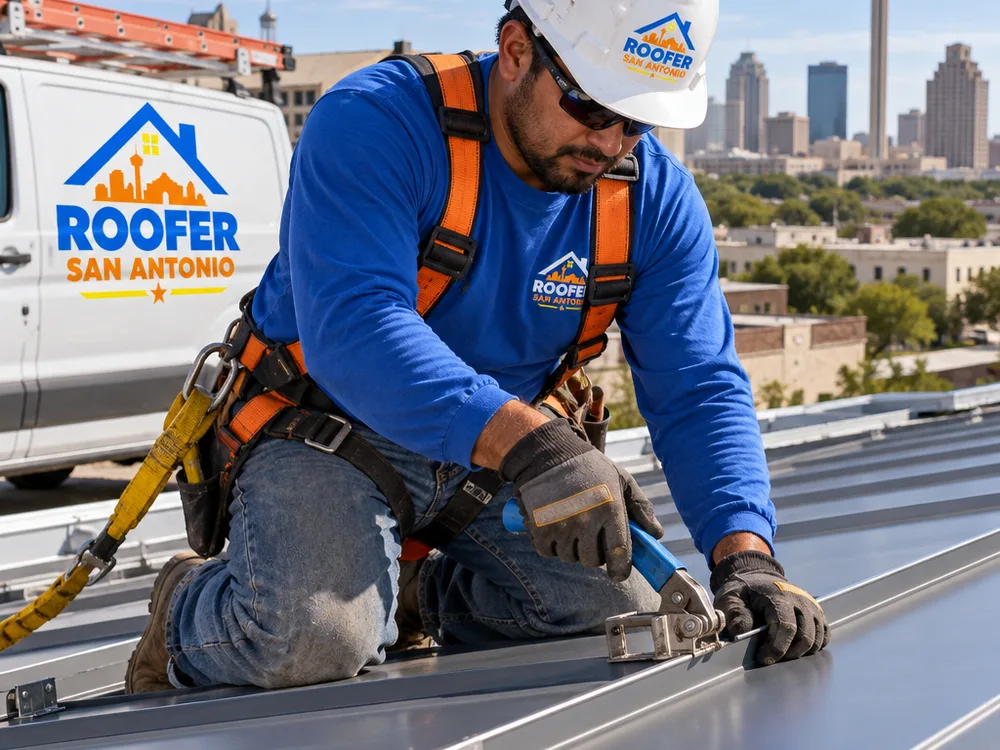
If you're moving from shingles to metal, the contractor can talk through deck condition, underlayment, ventilation, and how edges and penetrations will be detailed.
If the building already has metal, expect questions about panel type, fastener style, prior leak areas, and whether the existing system can be repaired or needs replacement.
You can discuss panel length, seam type, slope suitability, and how valleys, ridges, and transitions will be flashed on your roof shape.
Many people say “tin roof” when they mean exposed-fastener panels. A contractor can confirm the exact product and maintenance expectations before you commit.
For warehouses, retail, and offices, the contractor can ask about roof access, HVAC penetrations, drainage, and whether a standing seam or panel system fits the building.
The contractor identifies the roof system you have or want, checks slopes and transitions, and notes penetrations like vents, skylights, and wall tie-ins that drive the flashing plan.
Depending on the structure and the plan, the old roofing is removed or the roof is prepared for the new system. The decking is inspected so soft areas can be addressed before metal goes down.
A quality install starts below the metal. Underlayment is installed and sealed, then drip edges, eave trims, and other perimeter details are set to guide water away from the structure.
Panels are laid out to keep seams straight and consistent. Flashings are installed at valleys, sidewalls, and penetrations, with sealants used where the system requires them.
The contractor looks for missed fasteners, alignment issues, and finish details at ridges and terminations. You can ask what maintenance to plan for and what signs to watch for after storms.
If you're comparing a San Antonio metal roof versus another system, one call lets you describe the building, the current roof, and your goal, then get connected with a local roofer who can talk options and next steps.
CALL NOW: (210) 806-7822
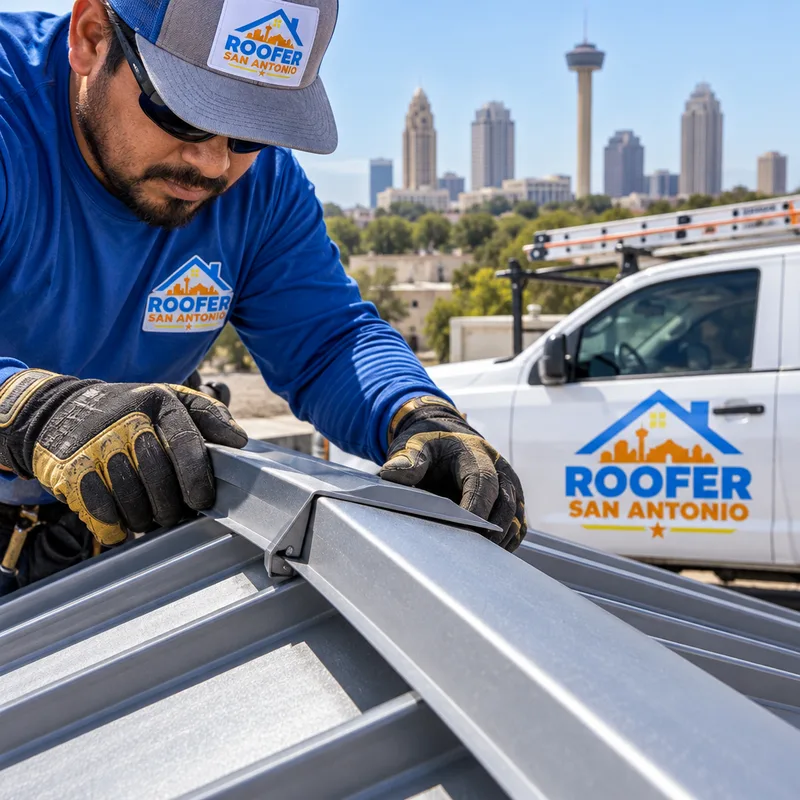
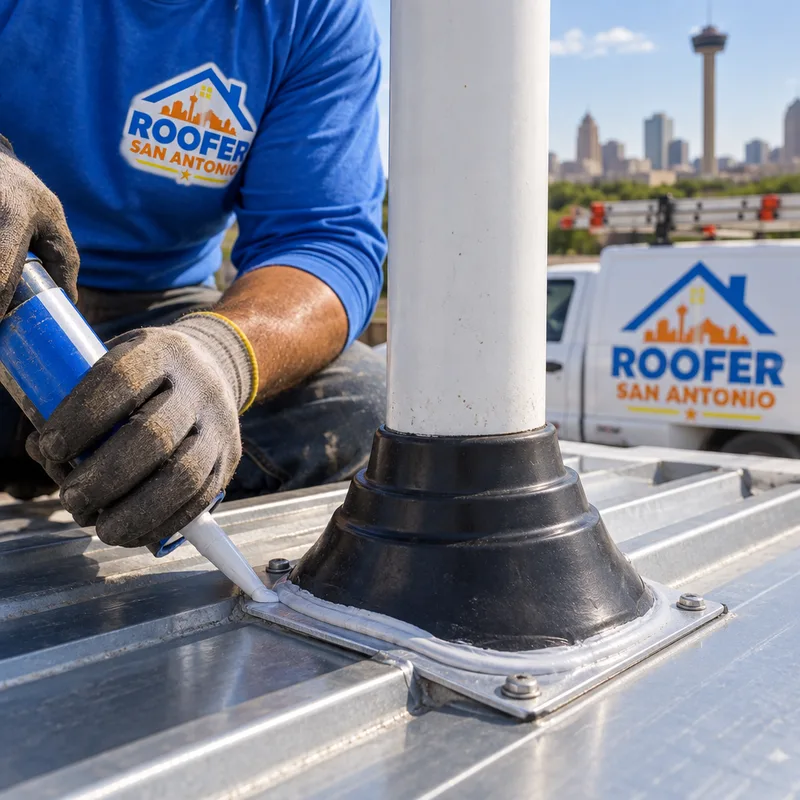
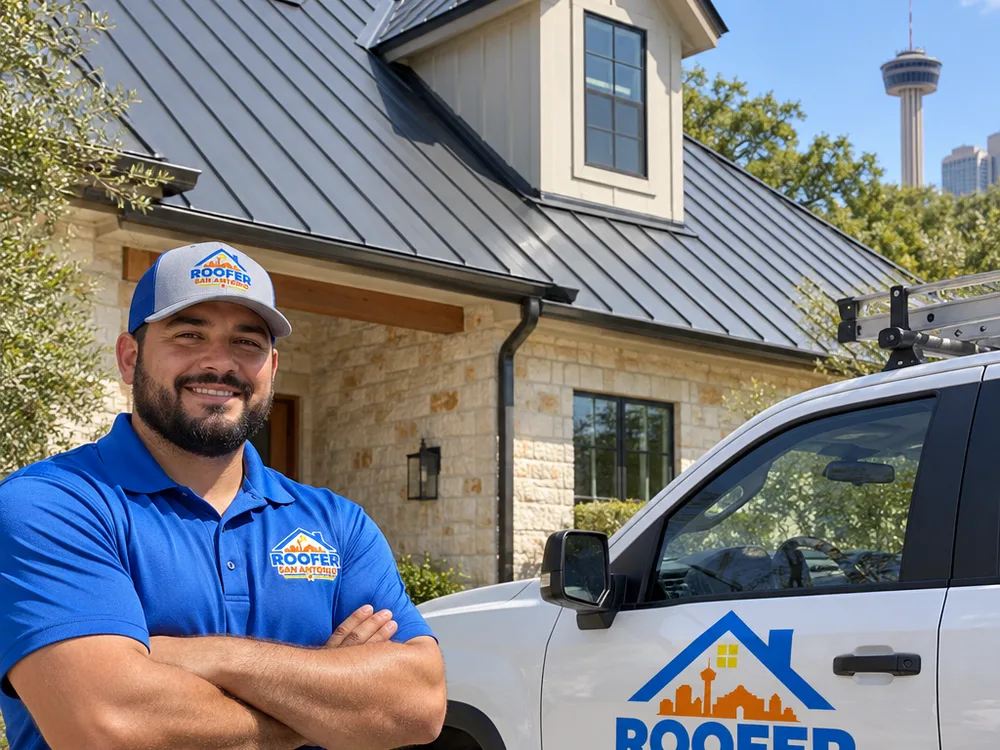
The best choice depends on roof slope, the number of penetrations, and how much long-term maintenance you want. Standing seam keeps most fasteners out of the weather, while exposed-fastener systems use gasketed screws through the panels, which makes proper installation and periodic screw and washer checks more important.
A roofer will usually ask about your roof type, the approximate age, any active leaks and where they show up inside, and whether you want to change the look or keep a similar profile. If you know the story after storms, prior repairs, or where water tends to run, that helps the contractor focus the inspection.
Sometimes it can, but it depends on the existing roof condition, local requirements, and whether the new system needs a solid, flat base for clips and flashings. Many contractors prefer to see the decking so soft spots and damaged areas can be corrected before the new metal roof goes on.
Leaks usually trace back to details, not the field of the panels. Penetrations such as vents and skylights, valleys, sidewall transitions, and improperly terminated edges are common culprits, especially after heavy rain or wind-driven storms.
A full replacement is typically a multi-day job, and complex roof shapes or lots of penetrations add time because the flashing work is slower than laying panels. The contractor you speak with can outline the sequence and what parts of the property need to stay clear during the work.
With proper decking and underlayment, many homes do not notice a major difference from other roof types. Noise perception changes if the building has open framing, minimal insulation, or the roof is over an outdoor structure like a patio cover.
Ask what coverage applies to the material versus the installation, what maintenance is expected, and which items are considered normal wear, such as sealants or exposed fasteners on certain systems. It's also smart to ask what signs after a hailstorm or thunderstorm should prompt an inspection.
Roofer San Antonio connects you with an independent local contractor who handles metal roofing in San Antonio, TX. You'll speak directly with the contractor about the roof system, the scope, and the quote, and you decide whether to move forward.
Call and describe what you have now, what you want to change, and any leak or storm concerns. We'll connect you with a local San Antonio metal roofer who can take it from there. If you're also comparing other roofing options, start with the bigger picture of roofing in San Antonio.
Serving San Antonio and surrounding neighborhoods within roughly 10 miles — Alamo Heights, Stone Oak, Helotes, Leon Valley and more.