
Leak tracing and roof repairs
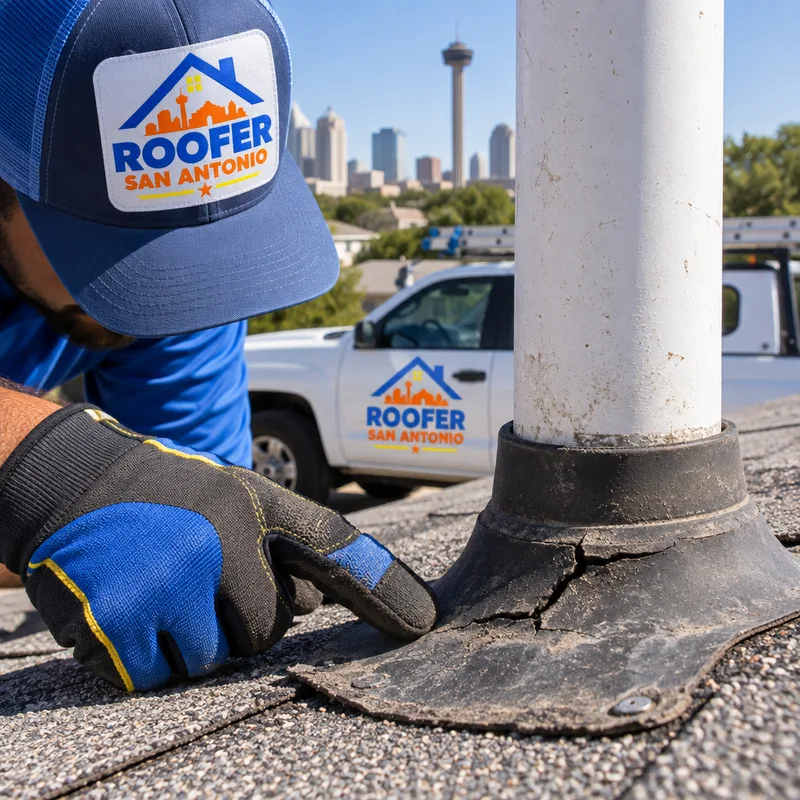
Small leaks often come from flashing, valleys, pipe boots, or nail pops rather than the main shingle field. The roofer can isolate the entry point and repair the detail that failed.
Describe what's going on with your roof once and we'll connect you with a local contractor in San Antonio who handles residential roofing.
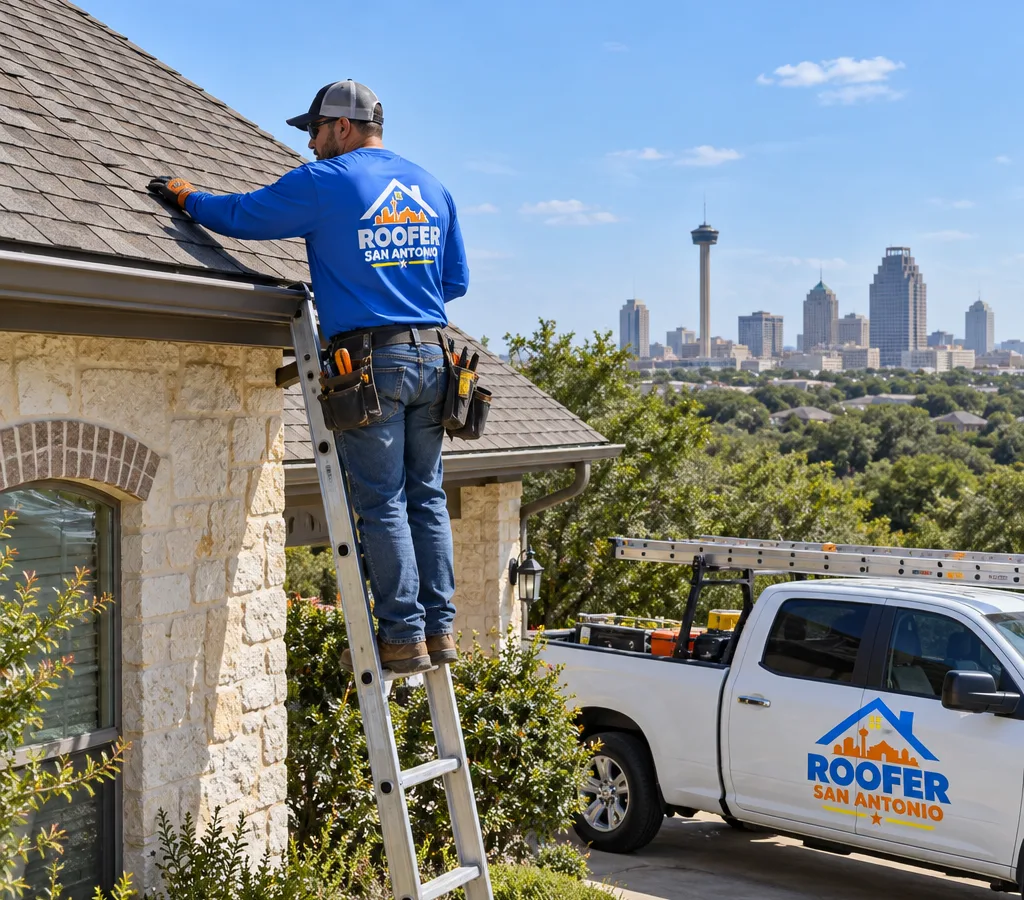
San Antonio residential roofing is the umbrella for the work that keeps a home's roof shedding water, resisting wind, and protecting the structure under it. Homeowners usually start looking for a residential roofer in San Antonio when they see a ceiling stain, missing shingles, granules in gutters, flashing that looks loose, or a roof that simply looks worn out.
A local contractor typically begins with a surface inspection—shingles or another covering—then checks the details that actually stop leaks: flashing at chimneys and walls, pipe boots and other penetrations, valleys, drip edge, and roof-to-wall transitions. Inside, the contractor may also look for attic moisture, moldy decking, or wet insulation because the source of a stain is not always directly above the spot.
San Antonio weather can push roofs hard. Hail and wind can bruise shingles or lift edges, and intense sun accelerates aging in many roof coverings. That is why good residential roofing in San Antonio, TX usually comes down to two decisions: whether the roof needs a targeted repair or a full replacement, and which roof system fits your home's slope, ventilation, and layout.
If you are still in the shopping phase, one call to Roofer San Antonio lets you describe the roof, the symptoms, and the timeline once, then get connected with a local contractor who takes it from there. If you are comparing broader options across roofers in San Antonio, that conversation also helps you narrow what to ask when the roofer calls you back.
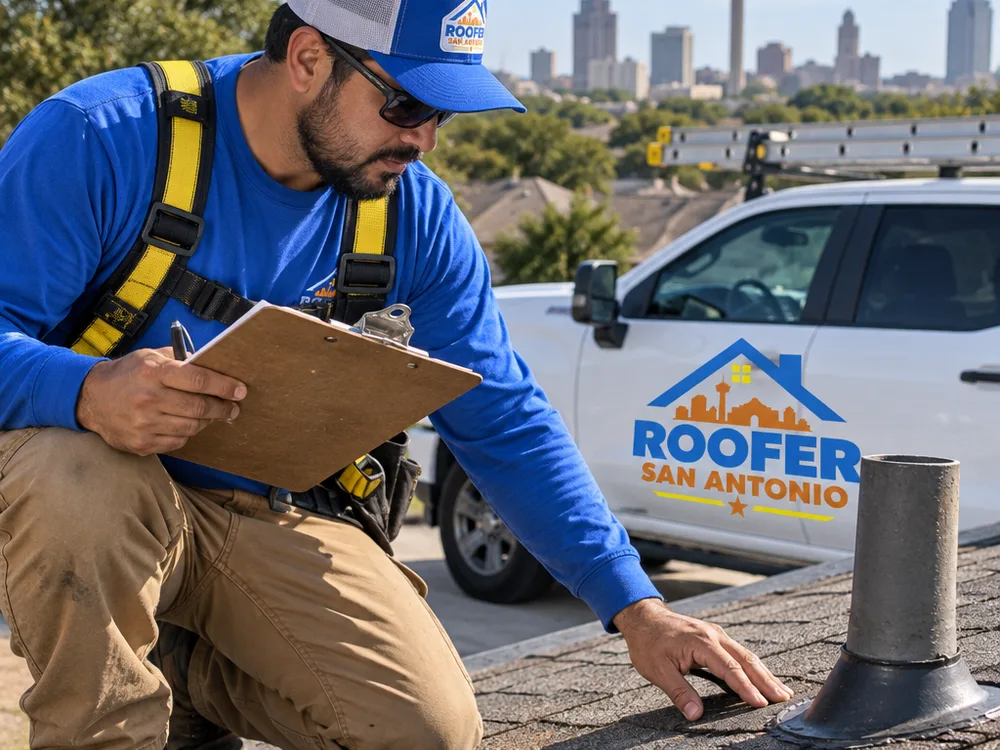
Small leaks often come from flashing, valleys, pipe boots, or nail pops rather than the main shingle field. The roofer can isolate the entry point and repair the detail that failed.
Missing tabs, lifted edges, and impact marks after wind or hail can allow water under the roofing. A contractor can document what's damaged and propose the right scope.
When shingles are brittle, curling, or shedding granules widely, a replacement may be the safer path. The roofer will review tear-off, deck condition, underlayment, and ventilation.
Chimneys, skylights, wall lines, and plumbing vents are frequent problem areas. Proper step flashing, counterflashing, and sealed boots matter as much as the shingles.
Heat buildup and trapped moisture can shorten roof life and show up as warped decking or damp insulation. A contractor can check intake and exhaust ventilation and recommend changes.
Share the roof type (if you know it), the approximate age, the number of stories, where you see interior staining, and whether you noticed wind or hail recently. Photos help, but a clear description is enough to start.
Roofer San Antonio connects you with an independent roofer who handles residential roofing jobs in the San Antonio area and can talk through next steps.
The contractor asks follow-up questions, explains what they want to inspect, and provides their recommended scope. You can compare options and decide whether to move forward.
If you proceed, the roofer schedules the job, reviews materials and installation details, and explains how they'll protect landscaping, manage debris, and handle ventilation or decking findings.
If you're trying to stop a leak or decide between repair and replacement, describe the situation once and get connected with a residential roofer in San Antonio who can quote the work and explain your options.
CALL NOW: (210) 806-7822
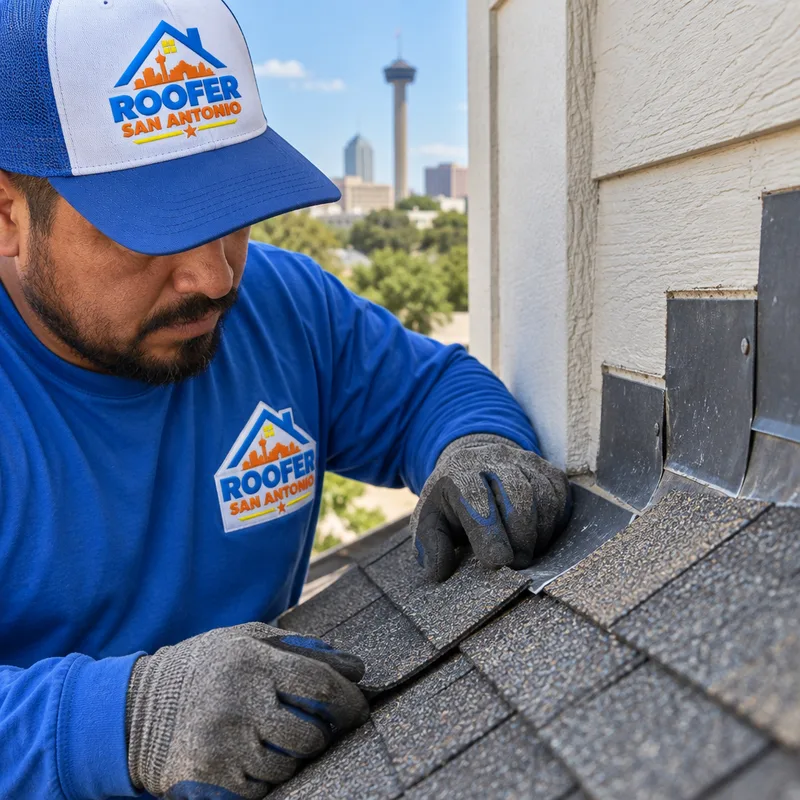
A repair makes sense when the issue is isolated to a detail or small area and the rest of the roof is still serviceable. A full replacement is more likely when the roof covering is broadly worn—curling, cracking, or showing widespread granule loss—or when multiple areas are failing at once. The roofer will also consider whether prior patching has created layered problems around flashing, valleys, or penetrations.
Describe what you see and where: ceiling stains and their approximate location, visible shingle loss, whether the leak happens only in heavy rain, and whether the home has a chimney, skylights, or low-slope sections. Also mention the number of stories and access issues such as a steep driveway or gated yard.
Most roofers start with failure-prone transitions: flashing at walls and chimneys, valleys, plumbing vents, and roof edges, then work outward. Inside, they may look for damp decking or insulation in the attic because water can travel along a rafter and appear away from the entry point.
Yes. Many leaks come from components you cannot evaluate from the driveway, including step flashing under siding, cracked vent boots, exposed fasteners, or worn sealant at terminations. A contractor's inspection focuses on those details and whether water has a path under the roofing.
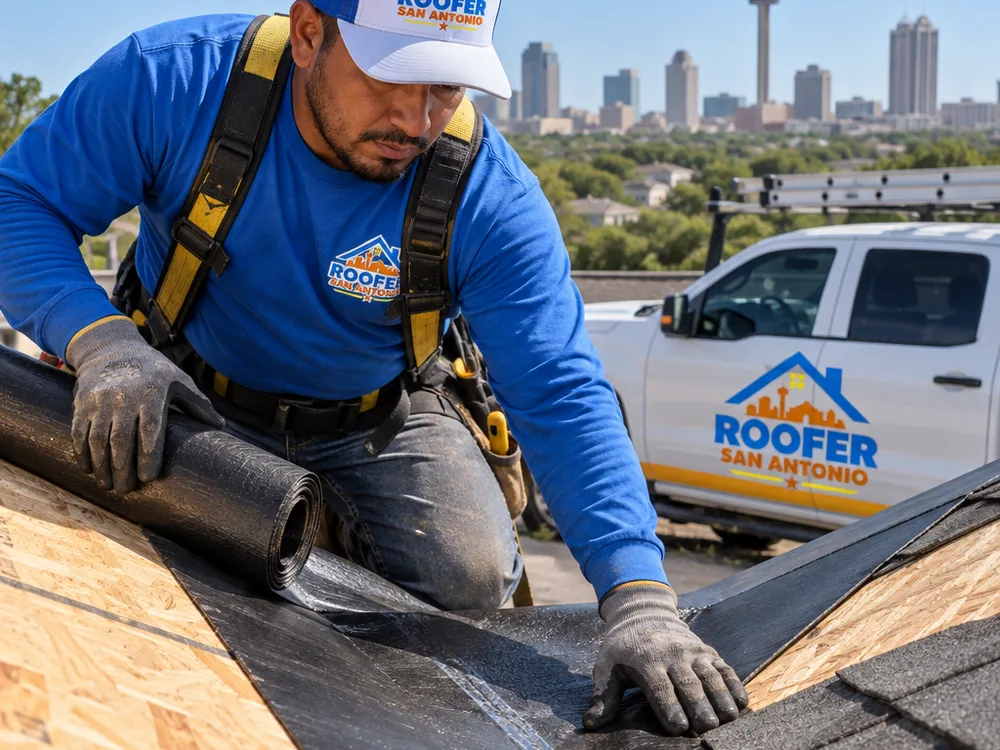
A reroof usually involves removing the old roofing, inspecting the deck, replacing damaged decking as needed, installing underlayment and flashing, then installing the new roof covering and ventilation components. Many reroofs on average homes are multi-day projects, and the schedule depends on roof size, slope complexity, and what is found once the old roof is removed.
It can, but the roofer needs to plan for it because penetrations and mounting points affect the roof system. Tell the contractor what is installed, where it sits, and whether you have documentation from the installer. The roofer can explain what needs to be removed, protected, or reinstalled and who coordinates that work.
You call, describe the job once, and Roofer San Antonio connects you with a local contractor who handles residential roofing work in the area. You then talk directly with the roofer about inspection, scope, and scheduling, and you decide whether to move forward.
Pick up the phone and describe what you're seeing. We'll connect you with a local San Antonio contractor who handles residential roofing and can walk you through the next step.
Serving San Antonio and surrounding neighborhoods within roughly 10 miles — Alamo Heights, Stone Oak, Helotes, Leon Valley and more.