
Describe it once
Instead of repeating the same details to several companies, you explain the roof concern one time and we connect you with a contractor who handles inspections.
Describe what you're seeing once and we'll connect you with a local contractor who performs roof inspections and can explain the next steps.
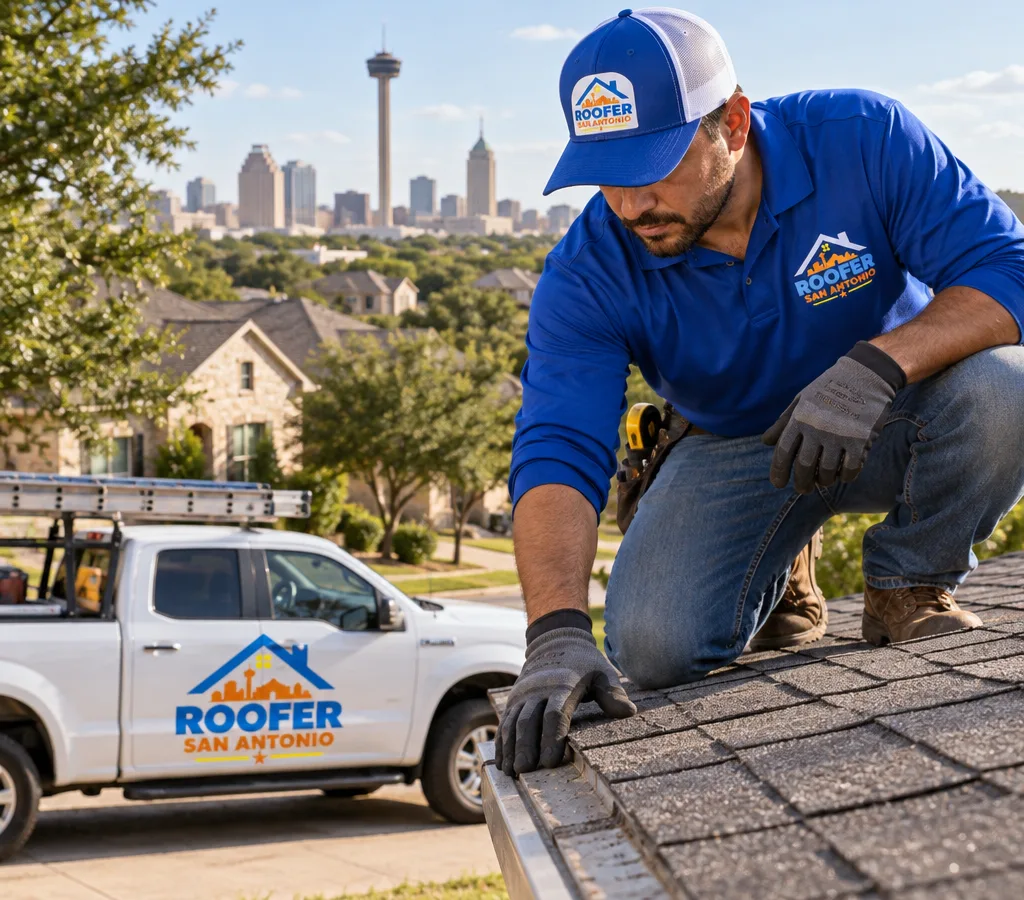
If you're searching for roof inspectors San Antonio, you usually want clear answers: what's wrong, what's urgent, and what can wait. A good roof inspection documents what's visible, checks common failure points, and explains what a contractor would do next.
A thorough roof inspection in San Antonio typically includes:
San Antonio weather can stress a roof in ways that don't always show up as a dramatic hole. Hail, strong storms, and long heat exposure can all affect shingles and sealants, so inspection notes and photos matter when you're deciding whether you need monitoring, a targeted repair, or a bigger plan.
If you also need help finding a contractor for other roof work after the inspection, start with roofers in San Antonio and describe what the inspection found.
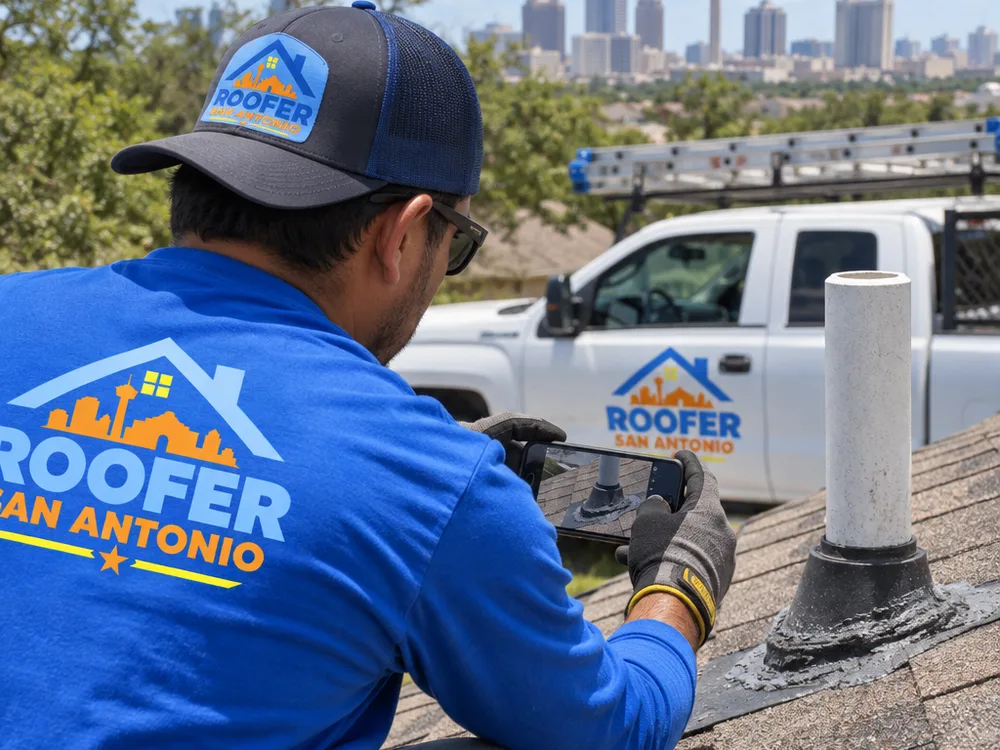
Instead of repeating the same details to several companies, you explain the roof concern one time and we connect you with a contractor who handles inspections.
You're connected with an independent contractor who works in San Antonio and nearby communities, not someone routed in from hours away.
The contractor can walk you through what they found, what should be addressed first, and which findings are mainly maintenance items.
Many roof inspections include photos and written notes so you can compare options, talk with other parties, or plan your repairs in order.
You speak with the contractor directly, ask your questions, and decide whether to move forward with any repairs or additional evaluation.
Share what you're noticing: a ceiling stain, a recent storm, loose shingles, sagging areas, granules in gutters, or you're buying or selling and want documentation.
We match your call to an independent contractor who performs roof inspections in San Antonio and can discuss access, roof type, and what to expect.
The contractor inspects the roof and common leak points, then provides findings. Ask for photos of any problem areas and notes tied to roof locations.
If issues are found, the contractor can explain repair approaches and what additional work might be recommended. You choose what happens next.
If you're seeing a stain, drip, missing shingles, or storm wear, a roof inspector can confirm what's happening and what to do next. Describe the situation once and get connected with a local contractor who performs roof inspections.
CALL NOW: (210) 806-7822
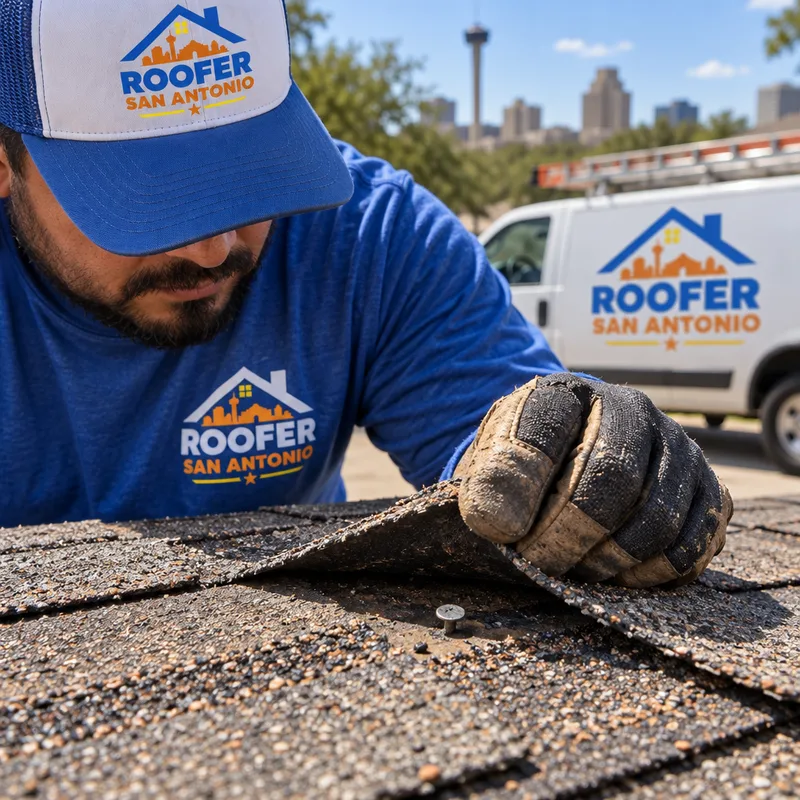
Have the roof type and the main concern ready (leak location, storm date, missing shingles, or a real estate deadline). If you can safely check, note whether you have attic access and where the interior staining appears (room and ceiling area), because that helps the contractor focus the inspection.
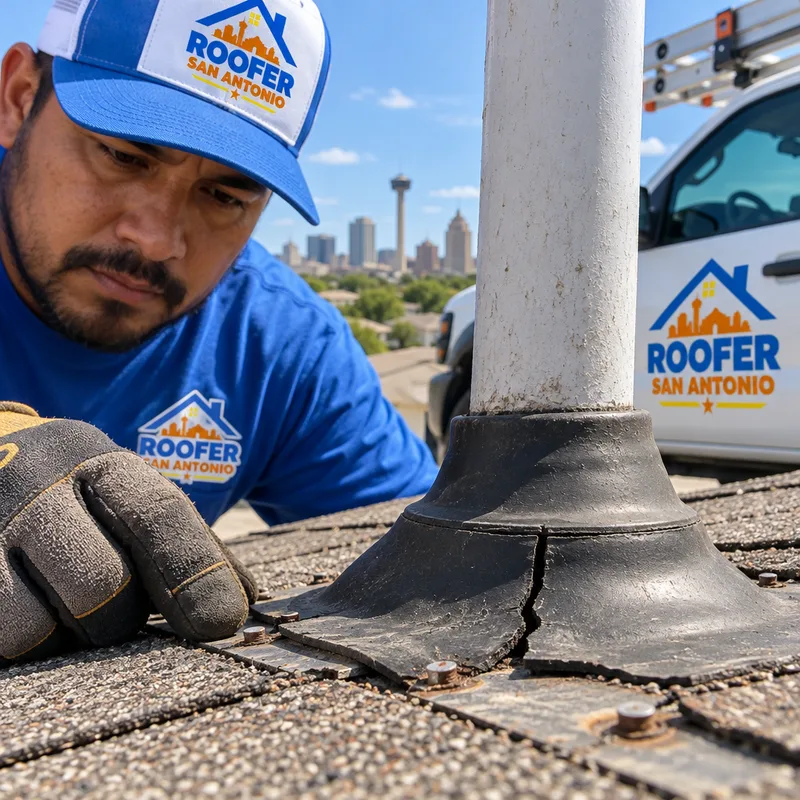
A roof inspection often identifies the most likely entry points, but some leaks travel along decking, rafters, or insulation before they show inside. The contractor may recommend targeted water testing or opening a small area if the source is concealed by layers or if multiple components (flashing, vent boots, valleys) are suspect.
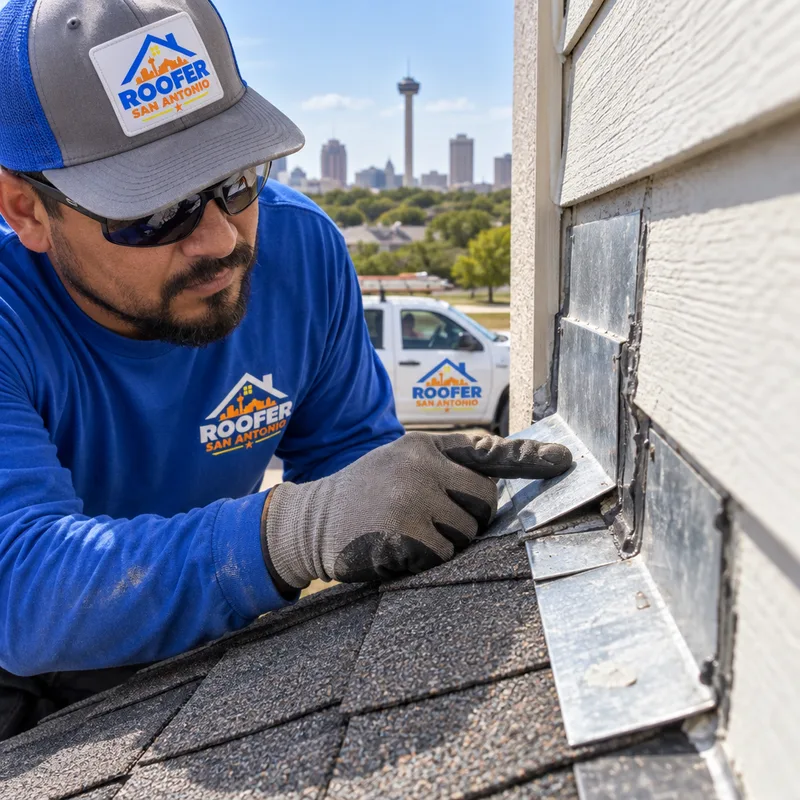
Most inspectors start with the leak-prone details: penetrations (vents and pipes), wall transitions and step flashing, valleys, and any past repair patches. They also look for mechanical damage, lifted shingles, and exposed fasteners that can show up after storms.
Often, yes, if it's accessible and safe to enter. Attic observations can confirm active moisture, ventilation problems, or decking staining that may not be obvious from the roof surface alone, and they can help distinguish a roof leak from condensation issues.
A basic exterior inspection is often shorter than an inspection that includes attic access, extensive photo documentation, and time to discuss findings. Roof size, pitch, number of penetrations, and roof height all affect how long the contractor needs on site.
A storm-related inspection focuses on impact marks, bruising, lifted edges, and flashing or sealant failures that show up after severe weather. A maintenance inspection focuses on aging, drainage, sealant condition, and small issues that can be handled before they become active leaks.
Yes, the contractor can explain whether the findings point to a localized repair (like flashing or a vent boot) versus widespread wear across the roof field. If replacement is on the table, ask what observations support that recommendation and which areas are driving the decision.
Yes. Tell us you need a pre-purchase or pre-sale roof inspection in San Antonio, and mention any disclosures or known leaks so the contractor knows where to pay extra attention and how to document the findings.
Roofer San Antonio answers your call, takes the basic details, and connects you with an independent local contractor who performs roof inspections. You discuss the situation with the contractor directly and decide what happens after you get the findings.
Tell us what you've noticed and we'll connect you with a local contractor for a San Antonio roof inspection, with findings you can use to decide what comes next.
Serving San Antonio and surrounding neighborhoods within roughly 10 miles — Alamo Heights, Stone Oak, Helotes, Leon Valley and more.