
Tell the story once
Share what you're seeing—drips, stains, missing shingles, or tree-limb impact—and we connect you with a contractor who handles this type of roof repair.
Describe what's happening once and we'll connect you with a local roofing contractor who handles storm damage, active leaks, and urgent roof problems.
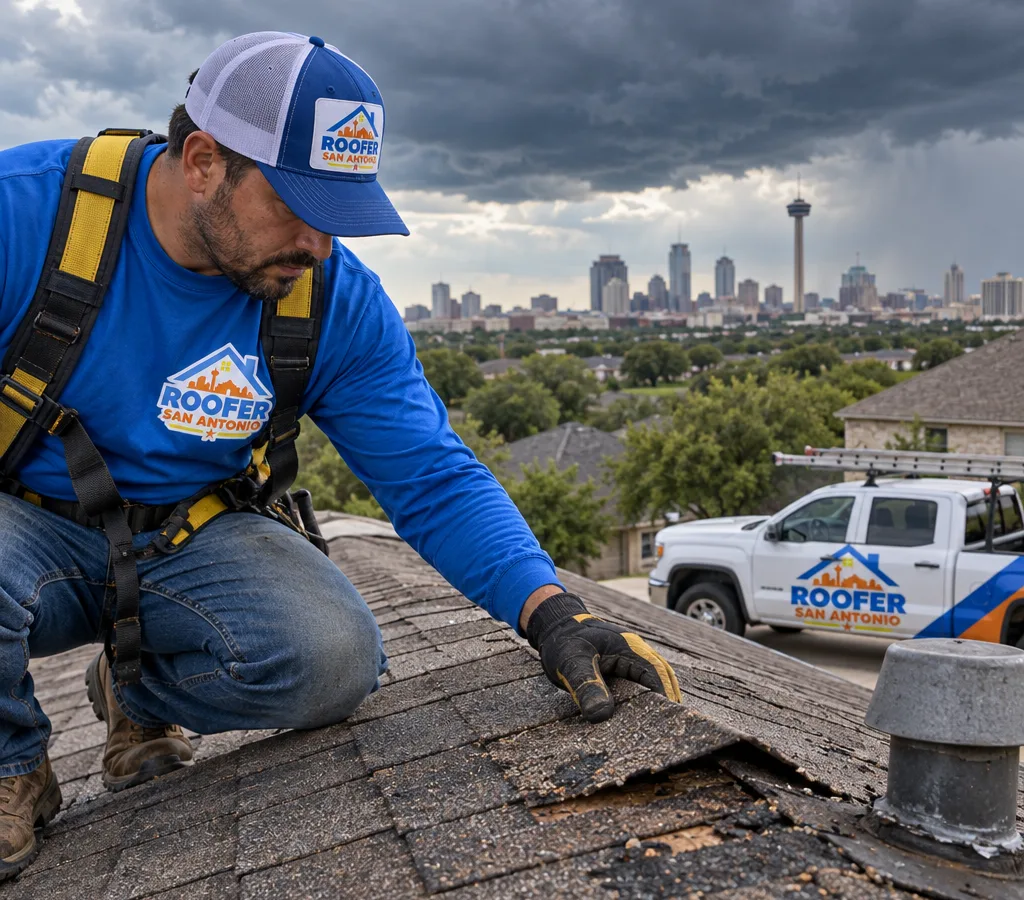
When water is getting in or shingles are missing after a storm, the first goal is to stop further damage, then figure out what failed and why. If you're searching emergency roof repair San Antonio, you may be dealing with a new ceiling stain, attic dripping, wind-lifted shingles, hail impacts, debris punctures, or flashing that opened around a pipe or chimney.
A roofing contractor typically starts with a triage-style inspection:
In San Antonio, sudden thunderstorms and hail can turn a small defect into an interior leak quickly. Sun and heat also age asphalt shingles and sealants, so what appears to be a new leak may have started as an older weak point that finally opened.
Roofer San Antonio takes your details by phone and connects you with an independent local contractor who handles roof leaks and storm-damage repairs, without requiring you to call through a list of companies.
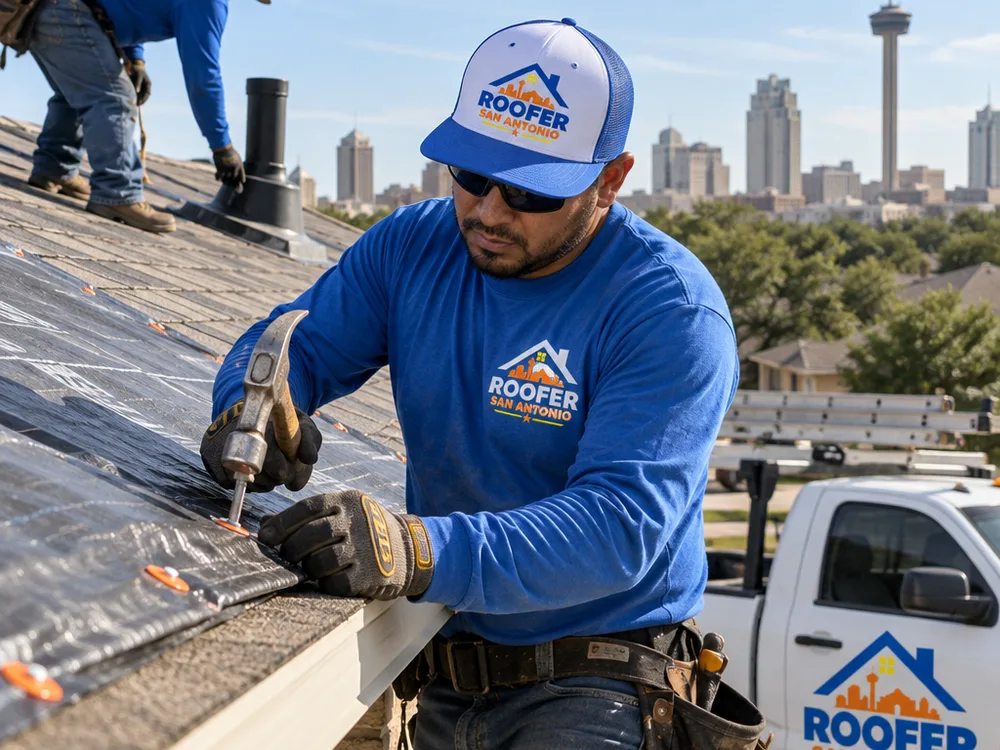
Share what you're seeing—drips, stains, missing shingles, or tree-limb impact—and we connect you with a contractor who handles this type of roof repair.
You're connected with a contractor who works in the San Antonio area and is familiar with roofing materials common across the metro.
The contractor can explain whether the next step is a targeted repair, replacement of a roof section, or temporary weather protection followed by a fuller fix.
You speak directly with the contractor, ask questions, and decide whether to move forward with the scope they recommend.
Whether it's hail bruising, wind lift, or a flashing failure, the contractor focuses on stopping water intrusion and preventing repeat leaks.
Share the roof type, its age if known, where water is appearing, and whether anything changed after a storm.
We match the job to an independent roofer who handles roof-leak troubleshooting and storm-damage repairs in the San Antonio area.
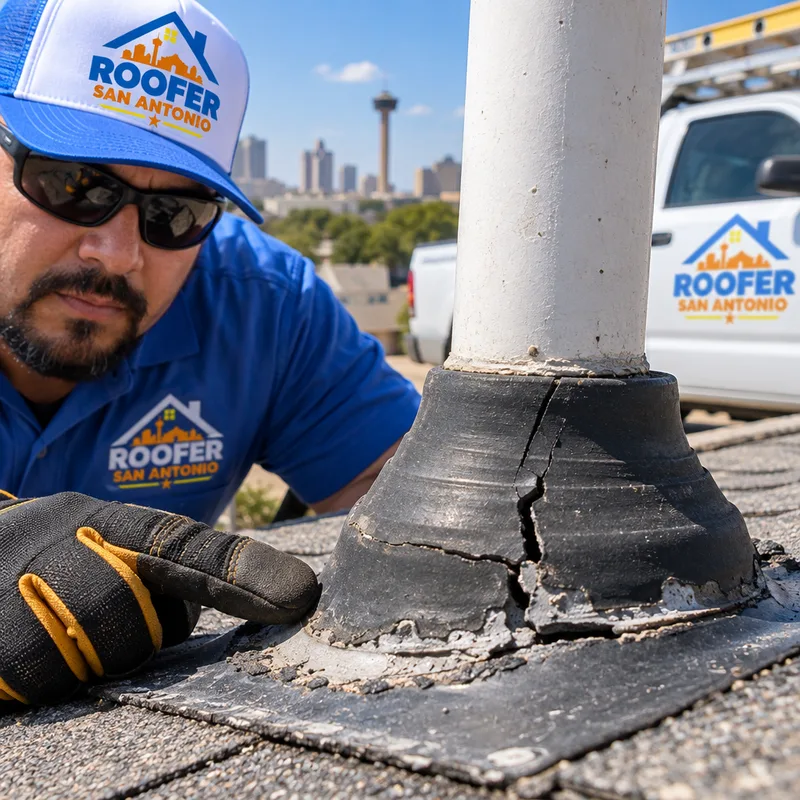
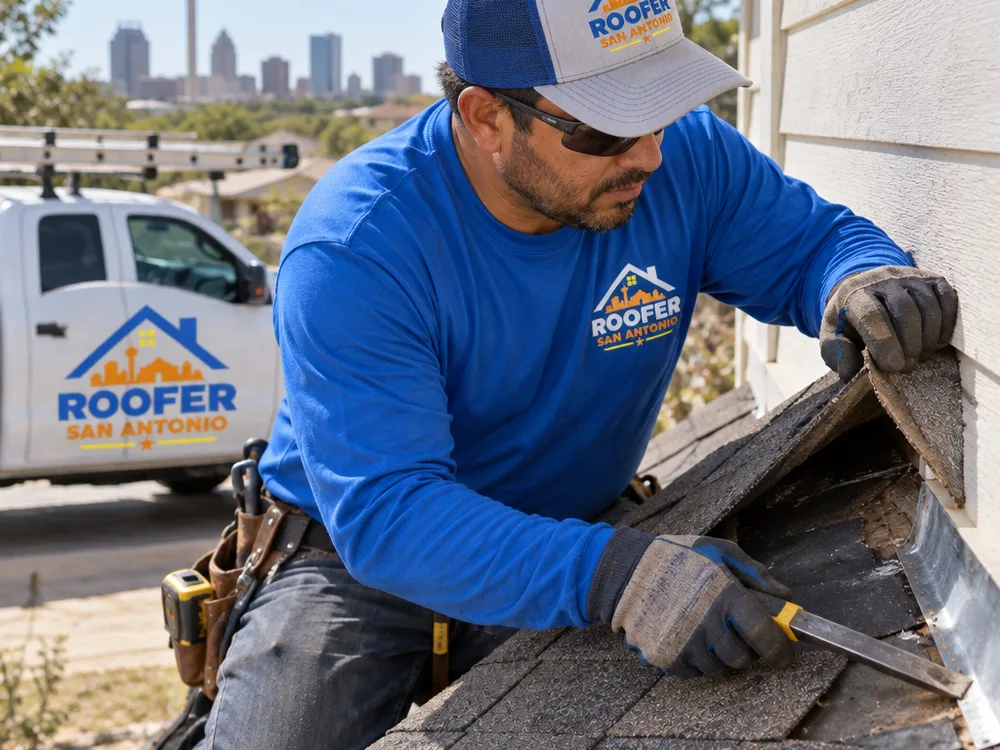
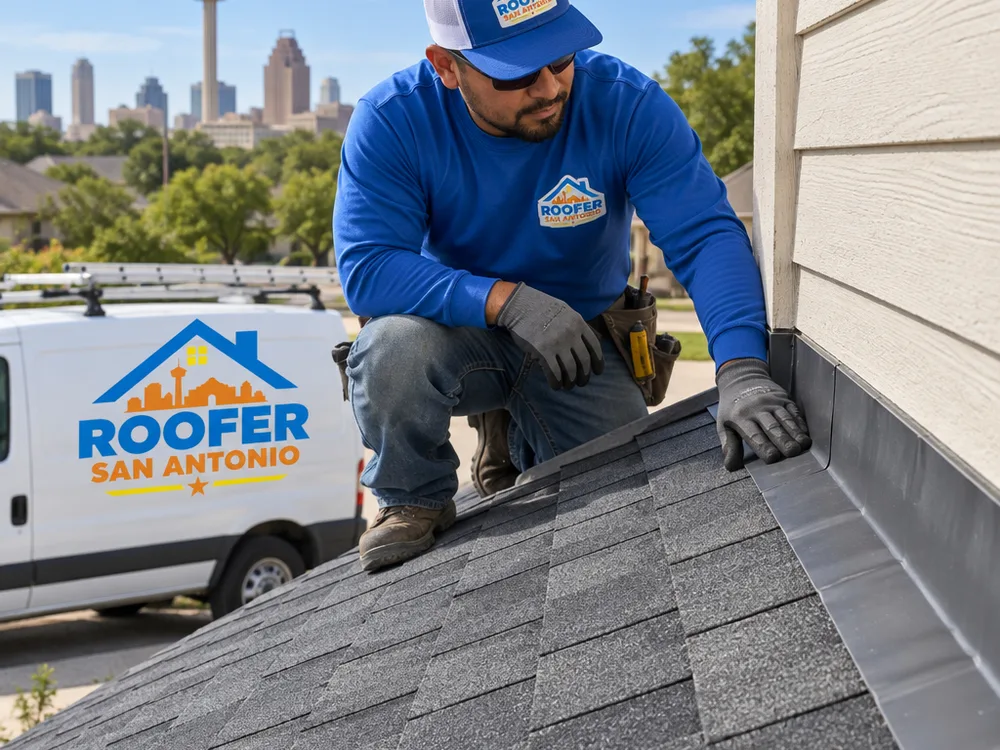
The contractor checks penetrations and flashing, looks for wind lift and hail hits, and inspects the attic when accessible to trace the path of water.
If water is actively entering, the contractor may recommend a temporary cover or localized seal-up until permanent materials and scope are confirmed.
Typical repairs include replacing damaged shingles and underlayment in a defined area, correcting flashing details, replacing pipe boots, or rebuilding a small section if the decking has deteriorated.
If you're seeing dripping, new stains, or missing shingles after a storm, describe the issue once and get connected with a local roofer who can diagnose it and lay out the repair options.
CALL NOW: (210) 806-7822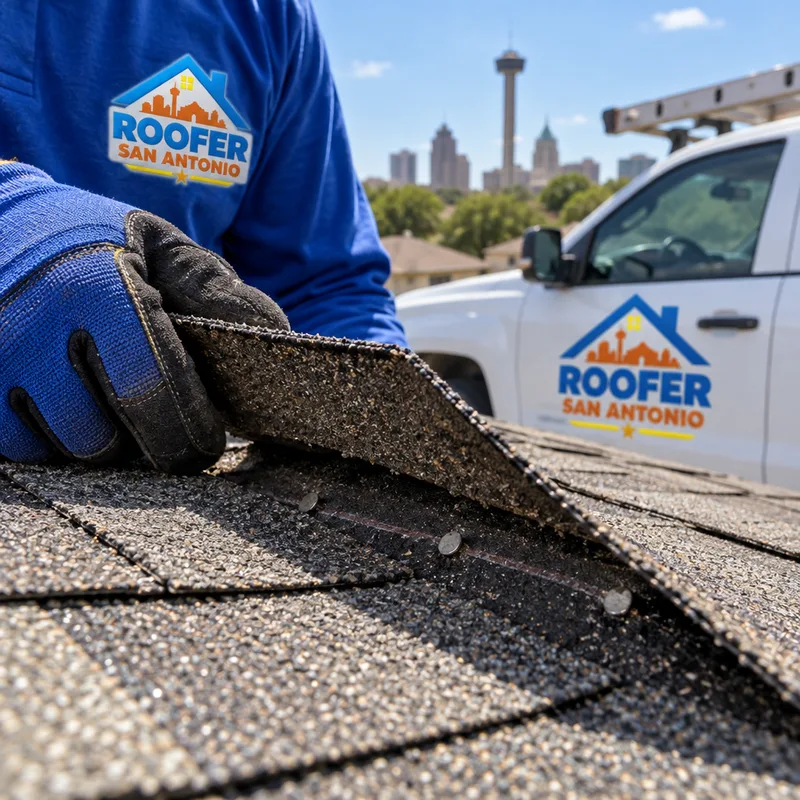
Protect the interior first, then document what you're seeing and involve a roofer to stop the water entry. Move valuables, use a bucket, and if you can safely access the attic, look for dripping points without stepping on drywall. Avoid the roof during storms or while surfaces are wet. A contractor can assess temporary protection and plan the permanent repair.
They trace the water path using attic inspection, decking stains, and roof-surface clues. Water can travel along rafters, beneath decking, or down nail lines before appearing inside. Flashing, penetrations, valleys, and transitions receive close attention because they concentrate runoff.
Openings that allow bulk water inside, missing shingles, debris punctures, and failed flashing around penetrations typically come first. After hail, a contractor may also check cracked vents, damaged ridge caps, and shingle bruising even when leaking has not started.
A targeted repair may be possible when damage is localized and surrounding materials remain in good condition. Brittle shingles, widespread creasing, or broader underlayment and decking deterioration may require a larger repair scope. The assessment separates immediate water-entry work from items that can be planned.
Share where the leak appears inside, when it started, whether it followed a storm, the roof type, and anything visible from the ground such as missing shingles or tree impact. Mention a steep pitch, multiple stories, or limited perimeter access because these affect inspection setup.
Often yes, when the attic is safely accessible. Attic clues can confirm the water path and reveal wet insulation or decking damage. Decking condition affects repair quality because deteriorated sheathing may not hold roofing fasteners properly.
Roofer San Antonio gathers the key details and connects you with a local contractor who handles roof-leak and storm-damage repairs. You do not have to repeat the situation to multiple companies, and you speak directly with the contractor who inspects the roof and proposes the scope.
Tell us what you're seeing and we'll connect you with a local San Antonio roofing contractor who can inspect the problem, explain the options, and take it from there.
Serving San Antonio and surrounding neighborhoods within roughly 10 miles — Alamo Heights, Stone Oak, Helotes, Leon Valley and more.