
Describe it once
Tell us your roof type, what's driving the replacement, and any concerns. We use that to connect you with a local contractor who handles new roof installs.
Describe the roof and your goals once, and we'll connect you with a local contractor who handles roof installation in San Antonio.
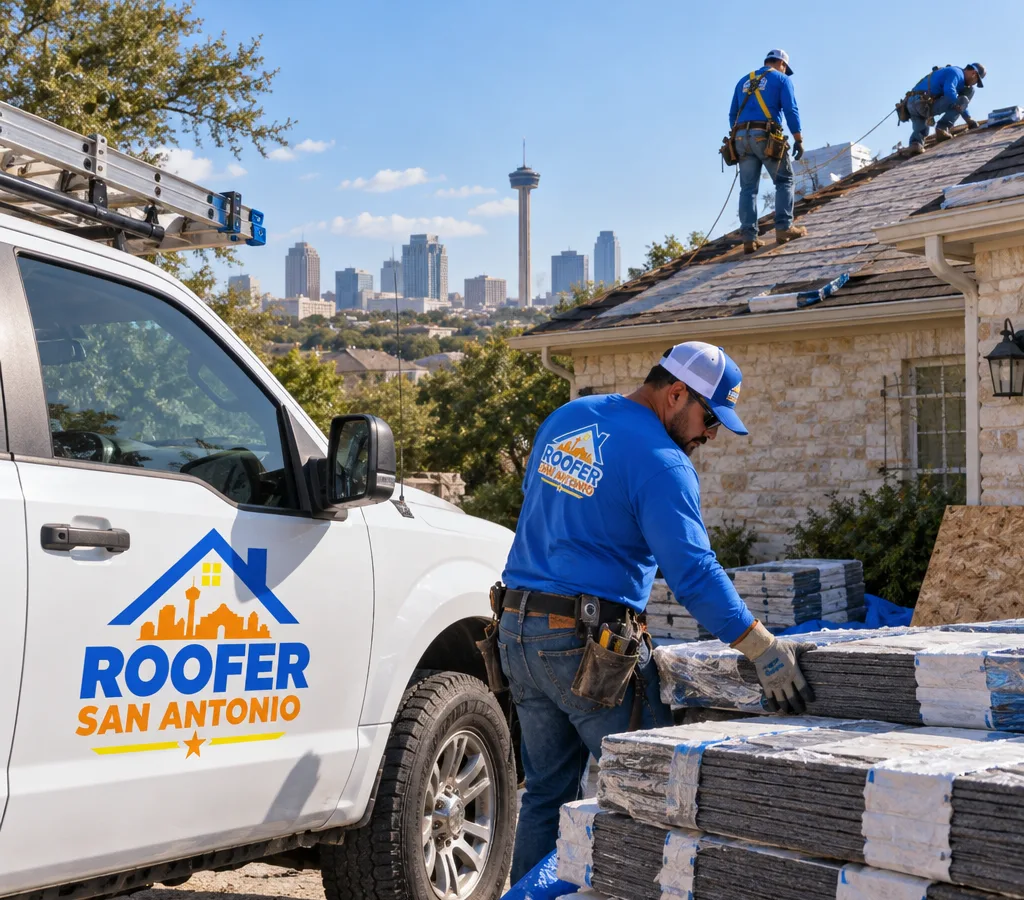
If you're searching for a new roof San Antonio homeowners can rely on, it helps to know what the work actually includes. A roof installation is more than new shingles. A good contractor treats it as a full system: water shedding on the surface, ventilation through the attic, and careful detailing at every penetration and transition.
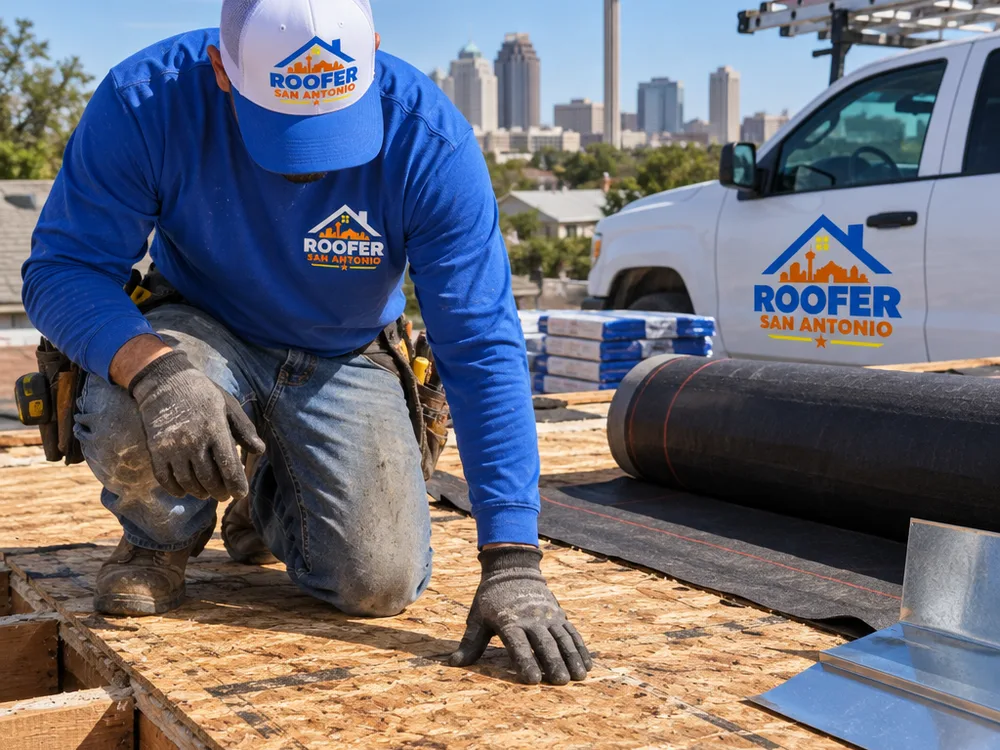
Most roof installs start with tear-off (removing existing shingles or other roofing) and a close look at the roof deck (the plywood or boards under the roofing). Any soft or damaged areas are replaced so fasteners hold and the surface stays flat. Next comes the water-resistance layer. On many homes, that means underlayment across the field of the roof and ice-and-water type membrane in the most leak-prone areas like valleys, eaves, around chimneys, and near roof-to-wall transitions.
After that, the visible roofing goes on: asphalt shingles, metal panels, tile, or another material based on your home's structure, slope, and goals. The details matter as much as the field. Flashing at walls and chimneys, drip edge at eaves and rakes, pipe boots, and properly built valleys are frequent sources of leaks when they're skipped or pieced together.
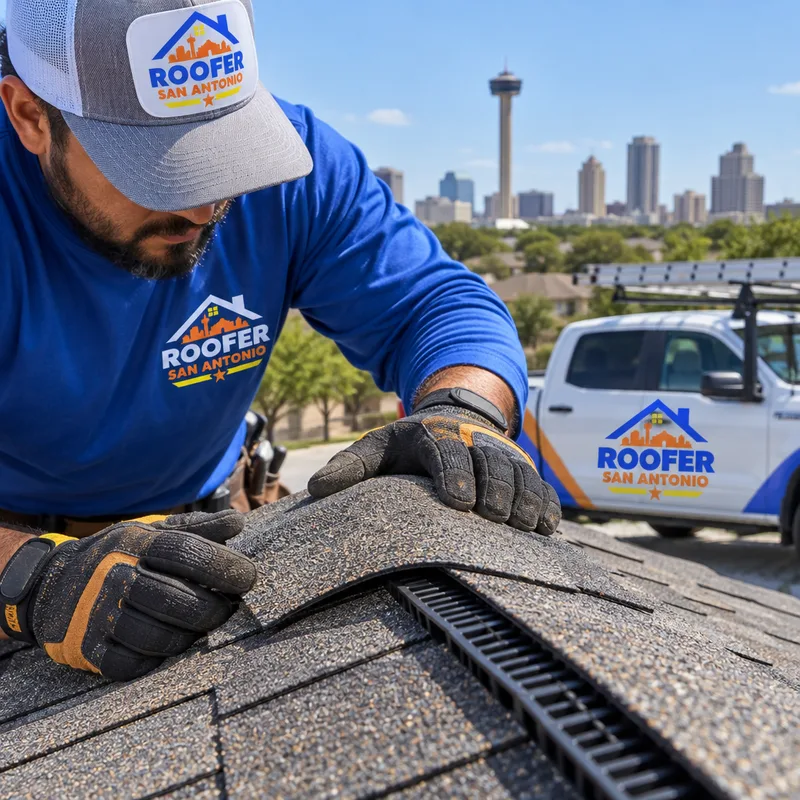
In San Antonio, heat and sun exposure are a constant factor. Contractors often spend extra time confirming attic intake and exhaust are balanced and that the ventilation path isn't blocked by insulation. Poor ventilation can shorten roof life and can show up as wavy shingles, premature granule loss, or moisture issues in the attic.
If you want to speak with a contractor about a San Antonio roof installation, Roofer San Antonio takes your call, notes what you're seeing and what you want to change, and connects you with a local roofer who can look at the specifics and advise you on the next step. If you're still deciding how to start your search, roofers in San Antonio is the simplest way to reach one point of contact and get routed to the right local pro.
Tell us your roof type, what's driving the replacement, and any concerns. We use that to connect you with a local contractor who handles new roof installs.
You're connected with an independent contractor who serves the San Antonio area, so you're not trying to coordinate someone coming from far away.
Before anyone starts, you can confirm material choices, tear-off plan, cleanup approach, and what the contractor expects to find under the old roof.
When multiple options are possible, you can ask the contractor to explain the tradeoffs in plain terms: lifespan expectations, weight, noise, and maintenance.
You speak directly with the contractor, review the scope they propose, and decide whether to proceed.
Share the building type (home, garage, small commercial), roof material, approximate age if you know it, and what's prompting the new roof (leaks, hail wear, selling, repeated repairs).
We match your details to a contractor who takes on roof installation projects in the San Antonio area and can discuss next steps.
The contractor can walk you through materials, underlayment choices, flashing plan, ventilation considerations, and what they'll inspect before finalizing a scope.
If you like the plan and timeline the contractor proposes, you move forward. If not, you can pause and keep comparing.
If you're ready to talk through a new roof, describe what you have now and what you want changed. We'll connect you with a local contractor who can take it from there.
CALL NOW: (210) 806-7822
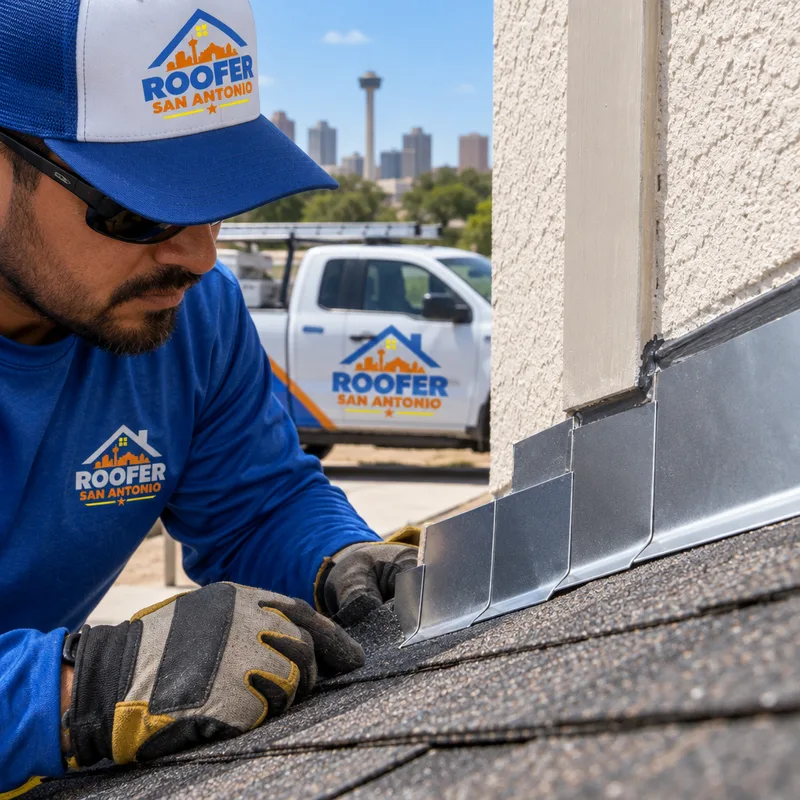
A complete scope should explain the roofing material, underlayment, flashing, ventilation, decking decisions, and cleanup approach.
A full replacement is usually considered when the roof has widespread wear, repeated leaks in different areas, or failed flashing and underlayment that can't be isolated to one spot. The contractor you're connected with will look for patterns like curled or brittle shingles, granule loss, soft decking, and multiple prior patch areas that signal the roof system is at the end of its service life.
The most helpful details are the roof material (asphalt shingle, metal, tile), the approximate age if known, the number of stories, and whether there are active leaks. If you can, note where the problem shows up inside (ceiling stain location) and outside (near a valley, chimney, vent pipe, or wall). That lets us connect you with a contractor who is prepared for the type of roof you have.
Asphalt shingles are common, and you'll also see metal roofing and tile depending on the home style and roof structure. The contractor can explain which options fit your roof slope, how each handles heat exposure, and what maintenance to expect, especially around penetrations and flashing.
Decking is typically inspected after tear-off, and any damaged sections are addressed before the new roofing goes on. Ask the contractor how they handle deck replacement decisions, what signs they look for (soft spots, delamination, water staining), and how changes to the scope are communicated if hidden damage is uncovered.
A full reroof is typically a multi-day project depending on roof size, pitch, complexity, and weather. Tear-off and dry-in happen early, then the roofing, flashing, and ventilation details are completed, followed by magnetic nail sweep and cleanup. The contractor can give you a realistic schedule based on your exact roof layout.
Ask whether your attic has balanced intake and exhaust ventilation and what changes, if any, are recommended with the new roof. In hot conditions common in South Texas, ventilation details matter: ridge vents, soffit intake, and keeping insulation from blocking airflow can all affect heat buildup and moisture management.
Cleanup planning should be part of the scope conversation. Ask where debris will be staged, how the contractor protects plants and AC units, and what they do at the end of each day to control loose nails and scraps. A nail sweep and a final walk-around are typical expectations to discuss before work starts.
Roofing rules can vary by municipality and project scope, so it's best to ask the contractor what applies to your address and roof type. The installer can tell you whether a permit is commonly pulled for your situation and what inspections, if any, are involved.
Call Roofer San Antonio and describe your roof once. We'll connect you with a local contractor who can look at your material options, explain the scope, and walk you through what to expect for your San Antonio new roof.
Serving San Antonio and surrounding neighborhoods within roughly 10 miles — Alamo Heights, Stone Oak, Helotes, Leon Valley and more.